REVIEW · SINTRA
Sintra: Hispanic Moorish Tile Workshop
Book on GetYourGuide →Operated by Estudio Lazuli - Artes e Eventos, Lda. · Bookable on GetYourGuide
This workshop turns a Sintra afternoon into something you can hold. You’ll learn the Islamic-influenced Aresta tile technique while making one tile with clay and a mold, then painting a second one with colored glazes. The Hispano-Moresque style and its geometric motif choices give you a real feel for how azulejo traditions evolved here.
What I like most is the hands-on rhythm: press the clay, work the motif, then paint with glazes in your own design language. I also like the teaching approach in this studio, where the English instruction feels calm and welcoming—people often leave talking about how great the teacher, like Dina or Aldina (spelled a couple ways in the studio records), was at guiding everyone step-by-step.
One thing to think about before you go: if you’re in the U.S., shipping your finished tile by mail is currently not available, so plan on pickup in person or arranging courier delivery to your hotel instead.
In This Review
- Key points to know before you start
- Sintra’s Hispanic Moorish Tiles Still Feel Personal
- Inside the Studio: 3–5 pm From Clay to Glazes
- The Aresta Technique: What You’re Actually Learning
- Choosing Motifs on Molds and Painted Tiles
- Price and Value: Why This Costs What It Costs
- Where to Fit It Into a Sintra Day
- Your Fired Tile: Pickup Timing and Shipping Limits
- Small Group Energy (and Why It Helps Your Results)
- Who Should Book This Workshop
- Should You Book Sintra: Hispanic Moorish Tile Workshop?
- FAQ
- How long is the Sintra tile workshop?
- What will I make during the workshop?
- When is my painted tile fired, and when can I pick it up?
- Can I ship my finished tile?
- Does the workshop include materials and firing?
- What language is the instruction?
- Is this workshop suitable for young children?
Key points to know before you start
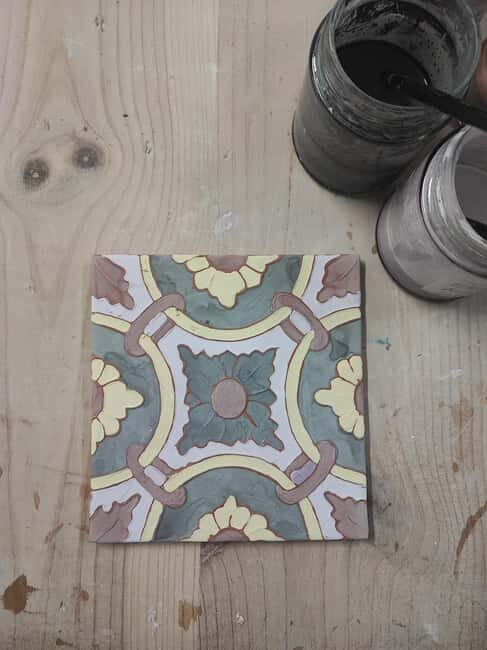
- You’ll create one clay-and-mold tile and paint one glazed tile during the same 2-hour session
- Aresta technique practice connects the workshop to Islamic-influenced decoration used in Portuguese tiles
- Motif choices are wide, on both the molds and the tiles you paint
- Your painted tile gets fired in the studio, so you’re not just making a sketch—you’re making something that survives the kiln
- Small group size (up to 8) keeps the pace friendly and the attention personal
- Pickup is 2–3 days after firing, with shipping options that may vary by country
Sintra’s Hispanic Moorish Tiles Still Feel Personal
Sintra is famous for grand palaces and dramatic views, but this workshop brings you back to something quieter: pattern-making. The big idea here is learning how Moorish-influenced decoration traditions became part of everyday visual culture in Portugal, especially through azulejo tile styles.
The workshop gives you two kinds of creativity in one go. First you work with fresh clay using a mold, so you’re shaping part of the final pattern physically. Then you paint a separate tile with colored glazes, where the result depends on how you place color inside the geometric structure. It’s a satisfying combo: craft your base, then color inside the lines.
Other Castle of the Moors tours in Sintra


Inside the Studio: 3–5 pm From Clay to Glazes

Plan for a straightforward, focused studio session that runs 2 hours, from 3:00 pm to 5:00 pm. The timing is handy because it fits neatly after lunch and still leaves you enough evening hours for Sintra’s streets or a return to Lisbon.
A typical flow looks like this:
You start with an introduction to the style—Hispano-Moresque tile decoration that traces back to Spain and the 15th century aesthetic shift that blends Moorish and Iberian design. Then you move into technique.
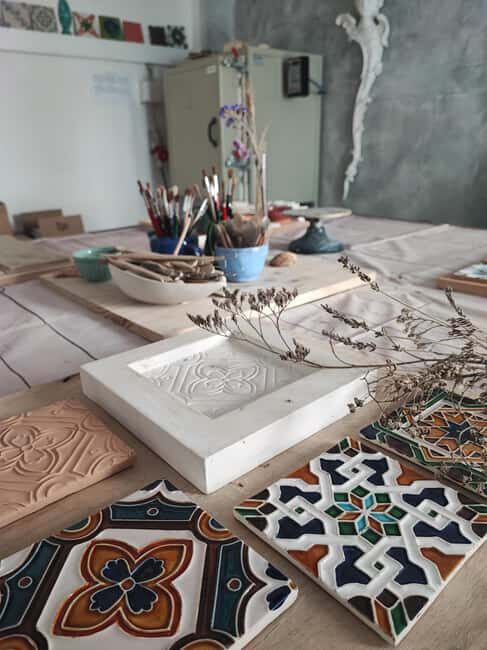
Next comes the clay-and-mold part. You’ll make one tile using clay and a mold that features a chosen motif. This step matters because it teaches you how the motif isn’t just printed—it’s formed. Your hands feel the relief that later becomes part of the pattern language.
Then you switch gears to the painting section. You choose another tile (again from motif options) and paint it using colored glazes. You’re not doing freehand art here—you’re interpreting a tile design system: symmetry, repetition, and the way colors sit inside geometric boundaries.
By the time you finish, you’ll have one clay-made piece and one glazed piece that stays in the studio. Your painted tile is set aside to be fired so the glazes turn glossy and durable.
The Aresta Technique: What You’re Actually Learning
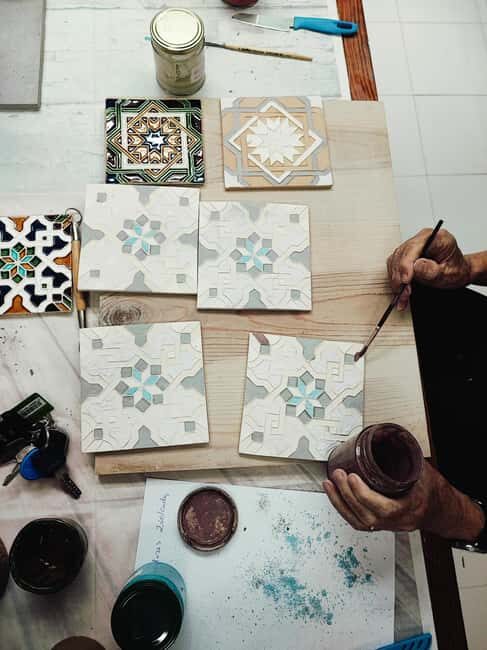
The workshop’s heart is the traditional Aresta tile decoration technique, described here as Islamic-influenced. You’ll feel the meaning of that phrase as soon as you start working: the design is built on structure.
In plain terms, Aresta is about how the tile’s lines and borders organize everything. The method gives artists a way to create complex-looking geometric results without relying on random decoration. When you paint, you’re following that logic. When you choose motifs, you’re choosing how the structure will frame the color.
If you’ve seen azulejos around Lisbon and Sintra, this kind of pattern logic suddenly clicks. You start noticing how many designs share the same structural rules, even when the motifs look different. That makes your museum walk (and your street stroll) a lot more rewarding.
Choosing Motifs on Molds and Painted Tiles
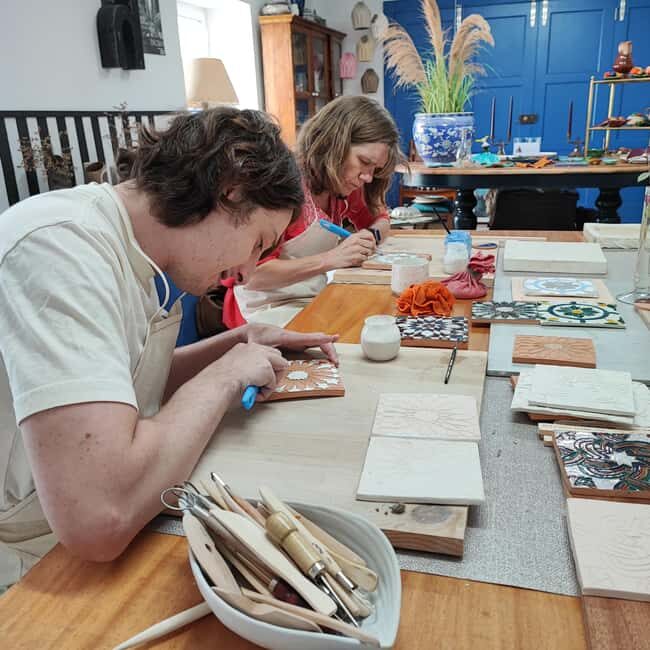
One of the practical perks is choice. You’re not stuck with a single generic pattern. The studio offers a broad selection of motifs, and you’ll pick from options both for the molded clay tile and the painted tile with glazes.
That matters for value. A $58 workshop can feel like a souvenir factory if the choices are limited. Here, you’re spending time selecting motifs that you genuinely like—especially if you’re drawn to certain shapes, border styles, or symmetry patterns.
The studio also runs multiple classes, and the tile workshop pairs well with that bigger creative menu. People have gone from this session to signing up for an azulejo class next, along with other workshop types like pottery, Tiffany glass, and jewelry.
Price and Value: Why This Costs What It Costs
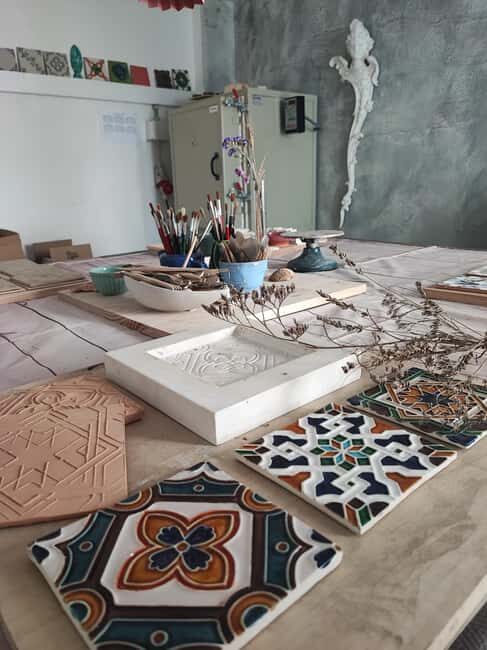
At $58 per person for a 2-hour session, you’re paying for more than instruction. The included package covers:
- all materials and equipment
- the hands-on experience of clay + mold crafting
- one painted tile
- the firing service (your glaze work becomes finished ceramic)
- the option to pick up later or arrange delivery (details vary; shipping costs can apply)
That firing service is the real difference-maker. If you’re paying for a hands-on class that ends at painting, you usually end up doing the rest yourself. Here, the studio handles the kiln step, which is where glazes transform and where durability comes from.
You’ll also want to remember two money realities: shipping (if available where you live) may cost extra, and in the U.S. situation right now, mail shipment isn’t available, so you’ll likely pay for pickup logistics or a courier option instead.
A few more Sintra tours and experiences worth a look

Where to Fit It Into a Sintra Day
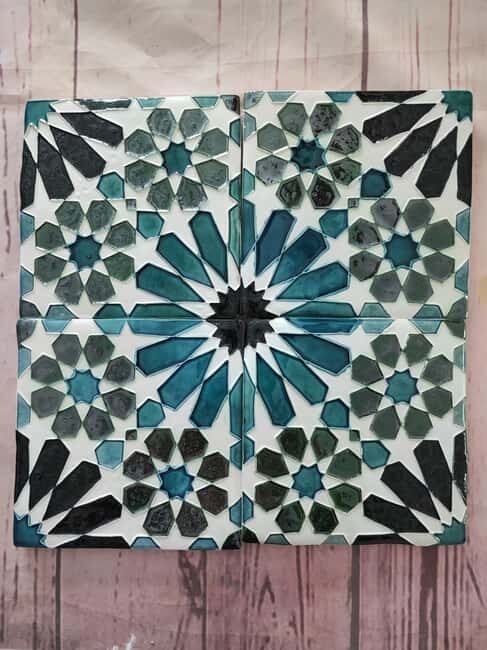
This workshop is in the Sintra area (Lisbon District) and works best as a planned studio block. Starting at 3 pm is smart because you can still do Sintra town first, then shift into something creative and quieter.
From Lisbon, the easiest approach is train to Sintra, then walk or short transit to the studio area. One of the nice practical notes: the studio is close enough to the train station that the transfer doesn’t feel like a whole extra trip.
If you’re visiting Sintra for palaces, add this workshop on a day where you’re not trying to cram in three huge viewpoints. Think of it as your slower, hands-on reset before dinner.
Your Fired Tile: Pickup Timing and Shipping Limits
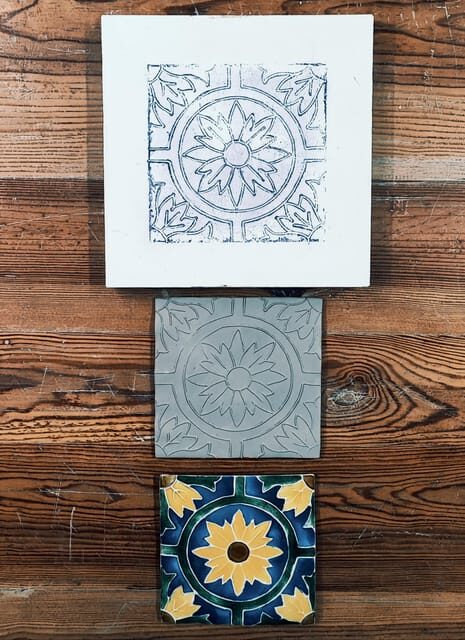
Here’s the timeline you should plan around: your painted tile goes into the studio for firing, and then you can pick it up 2–3 days later.
There’s an option to have it shipped, but with an important note for U.S. participants: due to temporary postal restrictions, the studio is currently unable to send painted tiles to the United States by mail. If you’re in that situation, you’ll still get your tile fired and ready for pickup, and if you can’t collect it in person, they can arrange delivery to your hotel via courier for an additional fee. If international shipping stays blocked, they’ll also keep your tile stored at the studio until shipping becomes possible again.
So the “consideration” part is really logistics. If you’re the type who wants souvenirs without any follow-up steps, you’ll need to be comfortable with a quick pickup plan or a courier arrangement.
Small Group Energy (and Why It Helps Your Results)
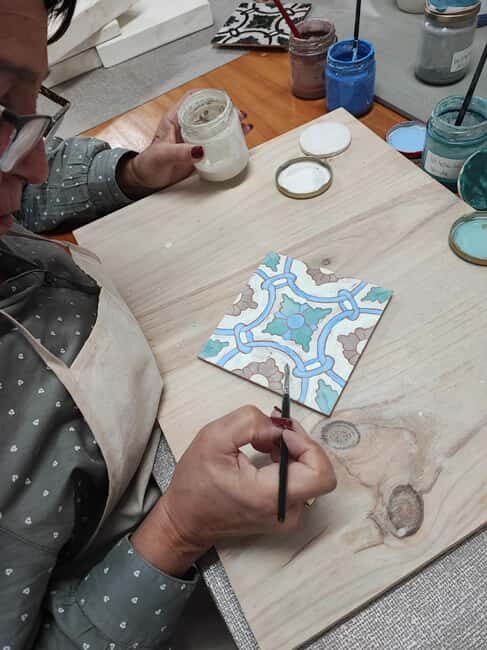
This is a small group class, limited to 8 participants. That cap changes the experience. It means you’re not lost in a crowd, and you can ask questions while the instructor is walking around.
It also supports the teaching style people seem to love: clear guidance, patience, and a studio setup where you can focus on your work. The studio environment comes across as clean and well run, and there’s time to get help without feeling rushed.
If you’re nervous about craft classes, this group size is a plus. You’re making functional decorative work, not “getting graded” on artistic ability.
Who Should Book This Workshop
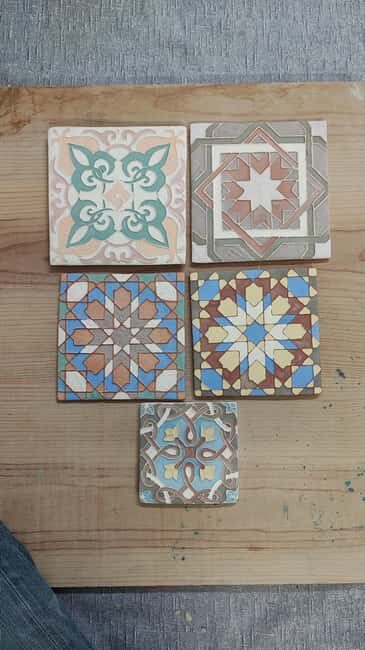
This workshop is a strong fit if you:
- like hands-on making more than passive sightseeing
- enjoy patterns and geometric design
- want a tangible souvenir that took real steps (mold, paint, glaze, firing)
- want a deeper connection to Lisbon and Sintra’s tile culture than just reading placards
- prefer a small-group class with English instruction
It’s also a good match if you’re traveling with someone who likes creativity but doesn’t want a full-day commitment.
If you have children: it’s not suitable for children under 7, so plan accordingly.
Should You Book Sintra: Hispanic Moorish Tile Workshop?
I’d book it if you want one of your Sintra activities to create something real, not just take photos. The combination of clay-and-mold construction plus glaze painting plus the firing service is exactly the kind of craft experience that turns a destination into a story you keep.
Skip it (or at least plan carefully) if you’re in the U.S. and you need mail shipping to be guaranteed. In that case, decide now whether you’re good with pickup timing or a courier plan.
FAQ
How long is the Sintra tile workshop?
It lasts 2 hours, running from 3:00 pm to 5:00 pm in the studio.
What will I make during the workshop?
You’ll make a tile with clay and a mold, and you’ll also paint one tile with colored glazes.
When is my painted tile fired, and when can I pick it up?
Your painted tile is fired by the studio. You can pick it up later (about 2–3 days) after the workshop.
Can I ship my finished tile?
There is an option to have it shipped, but shipping costs may be charged separately in the studio. For U.S. participants specifically, postal shipment is temporarily restricted, so the studio says mail shipping to the U.S. isn’t available right now.
Does the workshop include materials and firing?
Yes. All materials and equipment are included, and your painted tile includes the firing service.
What language is the instruction?
The instructor teaches in English.
Is this workshop suitable for young children?
No. It is not suitable for children under 7.